Modern concussion care goes beyond rest or medication. At Apex Chiropractic & Wellness Center, we specialize in alternative concussion recovery methods that combine neurologically based chiropractic care, neurofeedback, laser therapy, soft tissue rehabilitation, functional medicine, and hyperbaric oxygen therapy to treat post-concussion symptoms. Our goal is to support the brain and body in restoring balance, reducing inflammation, and improving neurological function for patients seeking concussion care in Lancaster, PA.
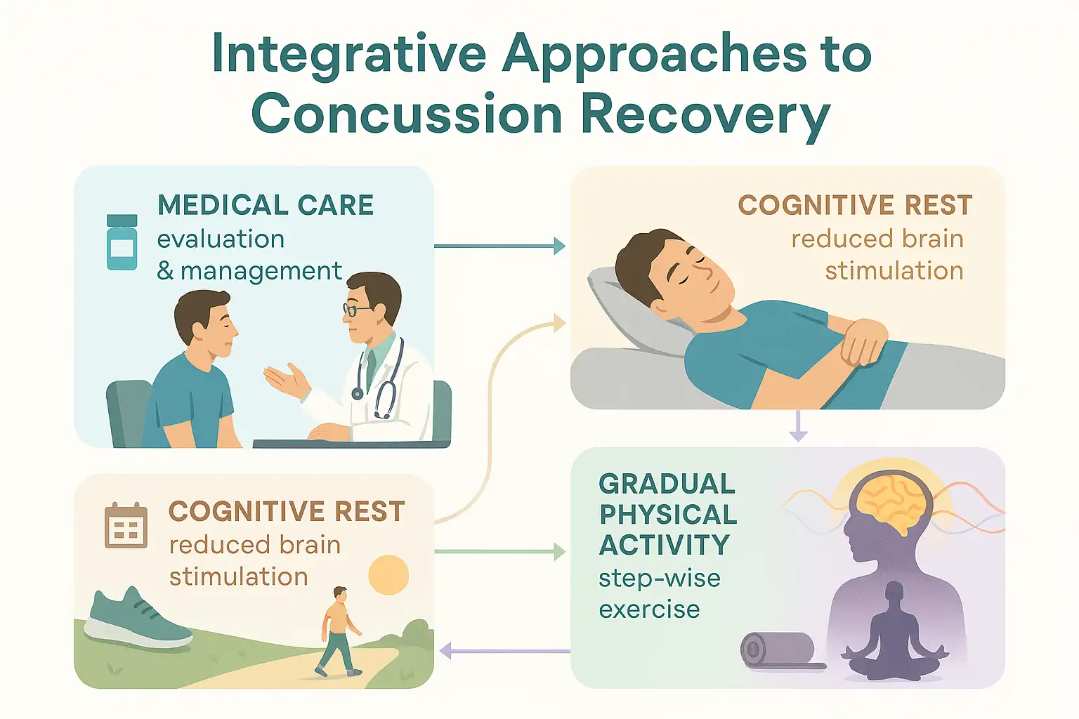
Effective recovery addresses both the physical signs and underlying neurologic dysfunction. Apex blends advanced diagnostics with chiropractic and adjunctive therapies to build personalized recovery paths for patients dealing with concussions or TBI. Depending on the individual, our protocols may include:
These methods help reduce pain, improve cognitive functions, and support neurological healing over time. Many patients also benefit from structured rehabilitation strategies that encourage movement, restore stability, and promote confidence during recovery.
Accurate testing is essential for effective concussion recovery. Neurological exams, orthopedic assessments, and advanced imaging can reveal which areas of the brain and body are under stress. This level of detail makes it possible to create targeted recovery strategies instead of relying on symptom management alone. When providers understand the root cause of problems such as headaches, mood changes, or brain fog, they can match therapies more precisely and track measurable progress over time.
These tests evaluate brain function, balance, and coordination, helping identify disruptions that often follow a brain injury. Clear insights guide treatment strategies tailored to each patient’s symptoms.
Structural misalignments or soft tissue strain can worsen concussion symptoms. Identifying these issues ensures recovery plans address both neurological and physical care.
Measuring brainwave activity highlights dysregulated patterns linked to cognitive problems or sleep disturbances. This data supports targeted neurofeedback therapy.
Assessments of memory, focus, and emotional regulation provide a window into lingering cognitive changes. Tracking these areas helps measure recovery progress.
Laboratory evaluations can uncover systemic imbalances fueling persistent post-concussion symptoms. Nutrition and functional medicine treatments are then customized to reduce inflammation and support brain repair.
Testing for balance and dizziness identifies vestibular dysfunction, which can be addressed with vestibular therapy to restore stability and reduce related symptoms.
By combining advanced diagnostics with targeted therapies such as chiropractic care, neurofeedback, and vestibular rehabilitation, patients receive a comprehensive approach that supports both neurological recovery and long-term resilience.
Neurofeedback therapy is a powerful tool in concussion or TBI recovery because it helps the brain restore healthy patterns after a head injury. Many patients experience ongoing symptoms such as headaches, difficulty concentrating, sleep problems, or mood changes long after the initial injury. By training brainwaves to shift into more balanced states, neurofeedback supports regulation of focus, memory, and emotional stability while reducing the effects of brain injury.
This treatment relies on neuroplasticity, the brain’s ability to adapt and form new connections. During sessions, sensors monitor brain activity in real time and provide feedback that encourages self-regulation. Over time, this method can reduce disorganized brainwave activity associated with post-concussion syndrome. Neurofeedback therapy can also complement exercise, relaxation techniques, or cognitive tasks to enhance recovery from head trauma.
Integrating neurofeedback therapy into daily life can feel manageable with the right structure. For many individuals in concussion recovery, consistency and supportive routines make brain training more effective. The following strategies help patients establish a sustainable plan that works alongside other treatments for persistent symptoms.
These tips make neurofeedback therapy less overwhelming and more practical for patients dealing with lingering concussion symptoms. By combining structure, consistency, and self-awareness, individuals can turn brain training into a reliable tool that supports long-term recovery.
Systemic inflammation is often a hidden factor in persistent post-concussion symptoms such as headaches, brain fog, fatigue, and pain. Functional medicine takes a personalized view, examining diet, gut health, and metabolic imbalances that may interfere with concussion recovery. By combining nutritional support with therapies, patients can reduce inflammation and support brain and body repair.
By combining functional medicine with therapies that target pain and neurological stress, patients can pursue a realistic path toward recovery after concussions.
If you or a loved one are experiencing post-concussion challenges, Apex Chiropractic & Wellness Center in Lancaster, PA can help. Our team uses advanced diagnostics, chiropractic care, neurofeedback, hyperbaric oxygen therapy, laser therapy, soft tissue rehabilitation, and functional medicine to address underlying causes and support optimal brain healing. Schedule a Consult & Exam to discuss your history, receive a neurological and musculoskeletal evaluation, and create a plan tailored to your recovery.
injury, therapy, cognition, clinic, physician, physical therapy, neuropsychology, health, rehab, research, psychology, nervous system, center, specialist, schedule, neuroscience, memory, vitamin, physical activity, recovery, sport, melatonin, vitamin c, vitamin b12, exposure therapy, evaluation, vitamin e, consciousness, breathing, tea, physical, athletes, healthcare, physical symptoms, cognitive impairment, neuron, caregiver, services, injuries, pain, exercise, group meets, brain injury survivor, support